 My account
My account
My account
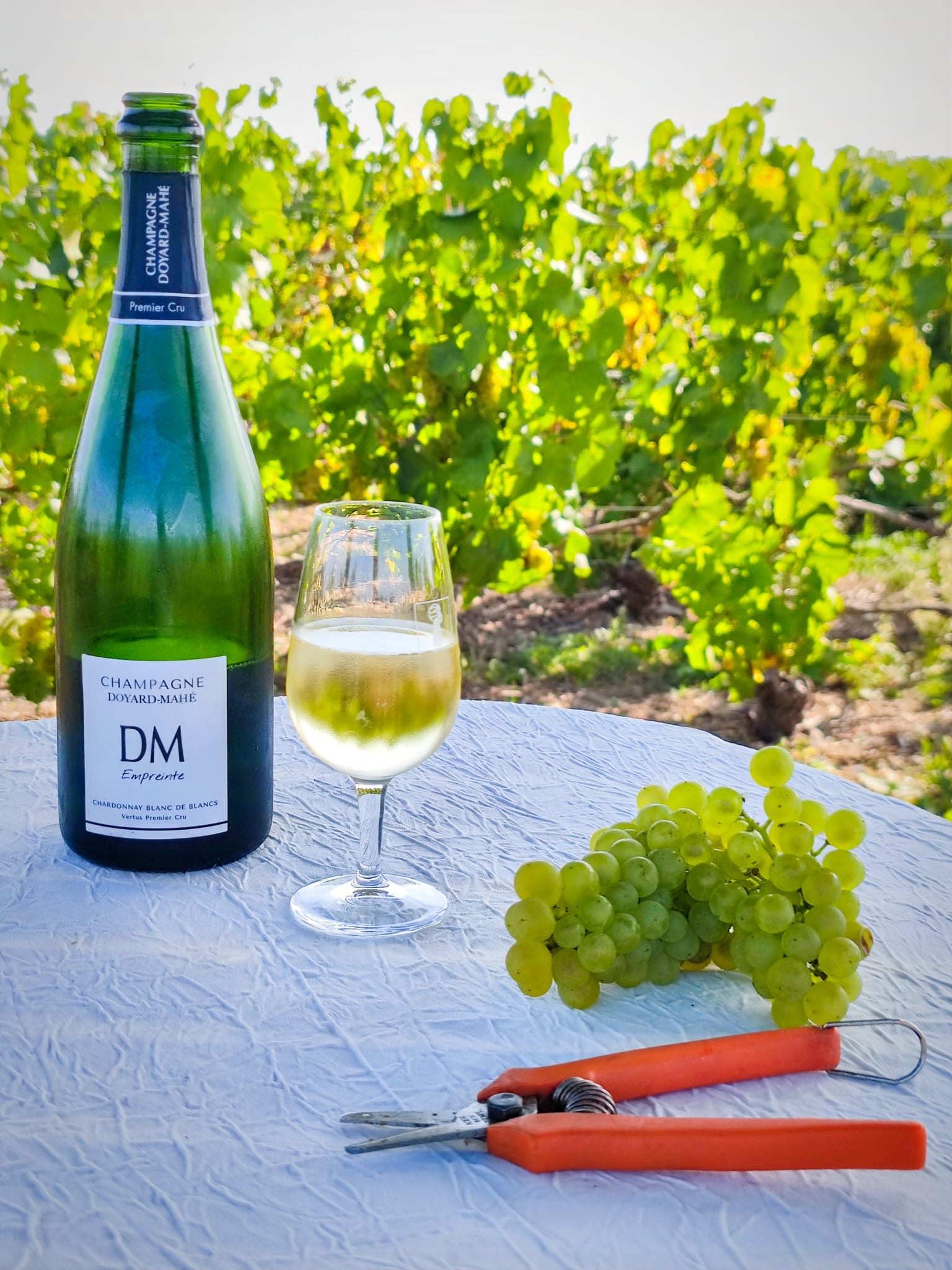
The harvest takes place from late August to early September. The picking lasts 7 to 10 days and is entirely done by hand to preserve the integrity of the bunches.
Grapes are placed in crates and quickly pressed in fractions (cuvée and taille), with yields strictly controlled by INAO, AIDAC and CIVC. The musts are then settled for 12 to 24 hours before fermentation.
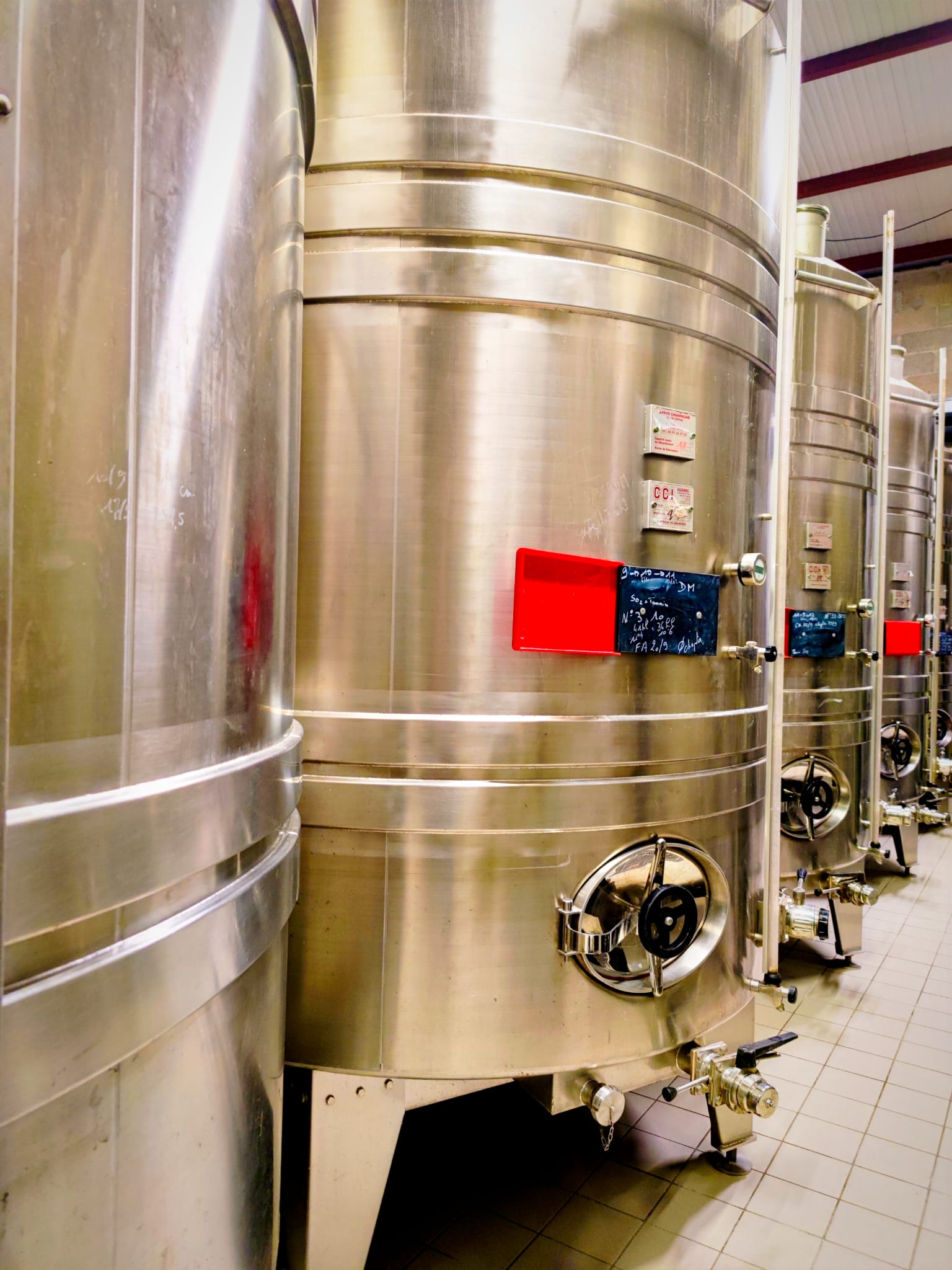
Blending means marrying still wines from different crus and plots to achieve the desired balance between finesse, structure and complexity.
Once the final blend is determined, the wines are bottled with a tirage liqueur made of sugar and yeasts. This stage, called tirage, triggers the second fermentation in the bottle that gives birth to Champagne's characteristic mousse.
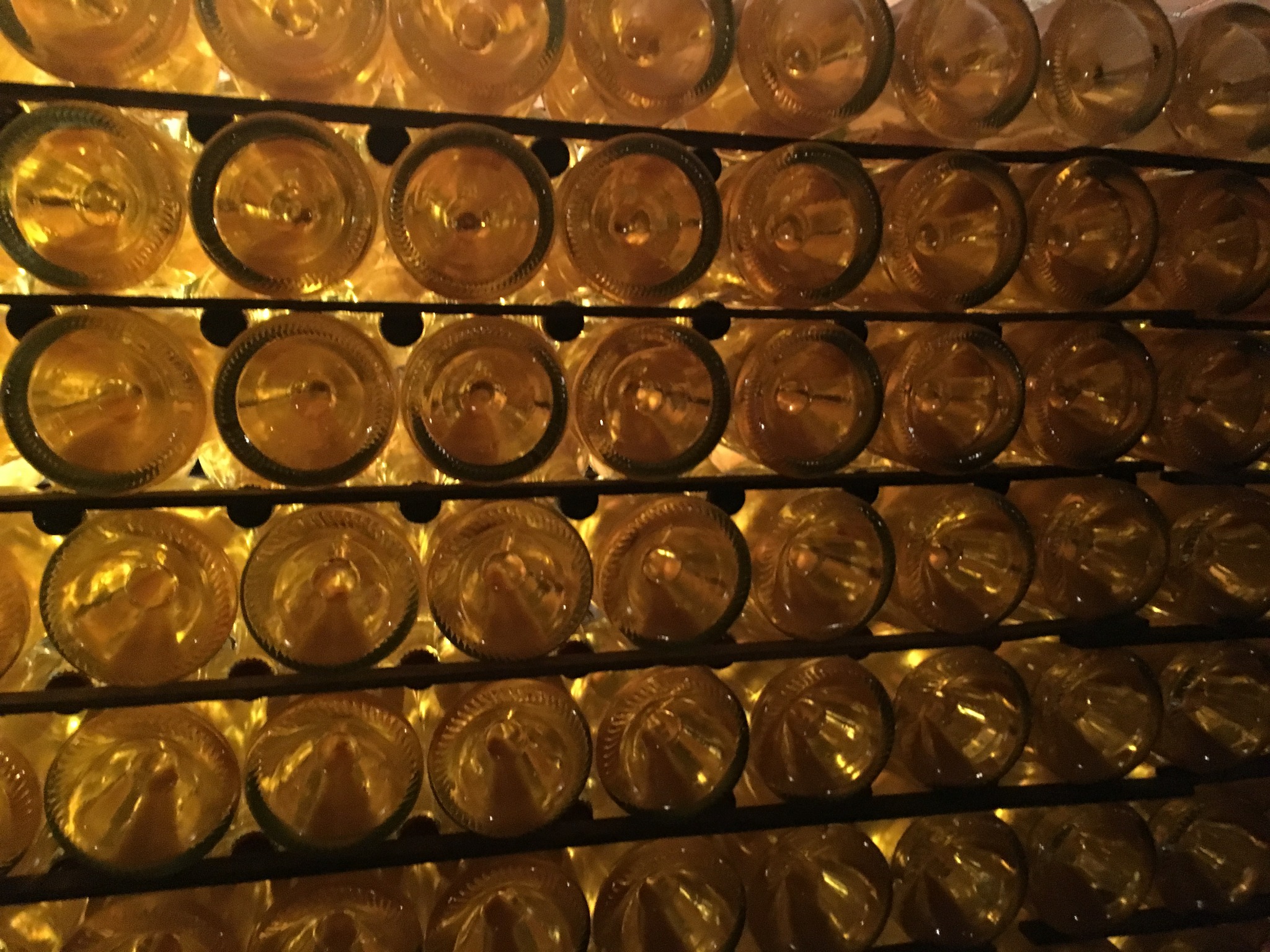
Bottles age on the lees in our cool 12 °C cellar for at least 24 months — 7 to 8 years for our vintage cuvées.
During this slow maturation the yeasts break down and release aromatic compounds that enrich the wine with complexity and length. Patience is essential to develop the bouquet and finesse typical of our champagnes.
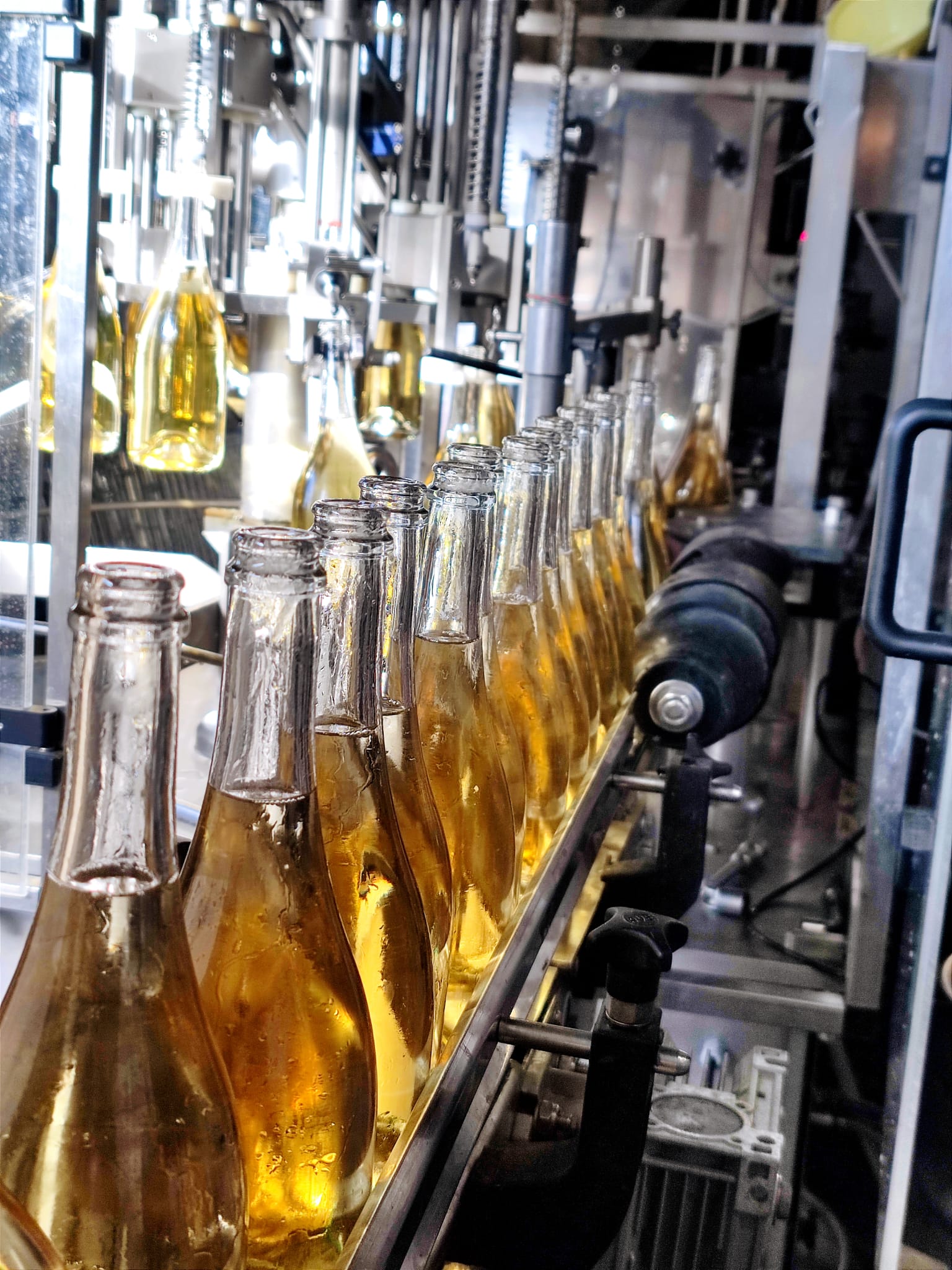
After the second fermentation, the wines rest on the lees and gradually clarify through riddling. The sediments are brought to the neck of the bottle, which is then frozen.
During disgorgement, the deposit trapped in an ice plug is expelled under pressure. A dosage liqueur is then added to adjust sweetness and perfect the wine's style before the final corking.

After disgorgement and dosage, the bottles are corked and muzzled; after a minimum three-month rest, each bottle is dressed: cap, foil, label and wirehood.
These final steps bring elegance to our bottles before they are boxed and shipped.

Pruning and tying shape the vine for the best possible harvest. Pruning sets the next year's growth and the future bunches' distribution, while tying secures the canes.
Green work (debudding, suckering, lifting and trimming) keeps the canopy healthy and airy by removing superfluous young shoots and branches.
 Drinking alcohol during pregnancy, even in small amounts, can seriously harm the health of the child. Alcohol abuse is dangerous for your health. Please drink responsibly.